‘Diés Iraé’ Ending Explained: Decoding Shocking Cliffhanger and How Rahul Sadasivan Expands His Horror Universe With Pranav Mohanlal’s Haunting New Film (SPOILER ALERT)
Rahul Sadasivan’s Dies Irae, starring Pranav Mohanlal, delivers chilling horror and expands the filmmaker’s shared universe after Bhoothakaalam and Bramayugam. Here’s a breakdown of the film’s shocking ending, ghostly twist, and how it connects to his earlier works in Malayalam cinema.

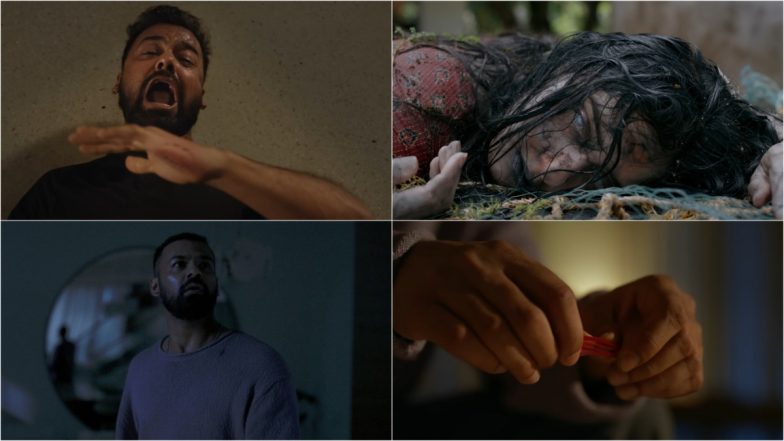
Pranav Mohanlal returns to the big screen with Diés Iraé, directed by one of the most exciting filmmakers in Malayalam cinema and the Indian horror genre, Rahul Sadasivan. Although he made his directorial debut in 2013 with Red Rain, it was the 2022 psychological horror drama Bhoothakaalam that put him on the map, and later with the masterful Bramayugam in 2024, he cemented his name as one of the most exciting filmmakers of the industry. ‘Diés Iraé’ Movie Review: A Smartly Used Pranav Mohanlal Is Effective in Rahul Sadasivan’s Well-Crafted but Familiar Horror-Thriller.
While his earlier movies blended horror with psychological elements, Diés Iraé is his most direct horror film yet. It tells the story of a rich and emotionally detached young man haunted by a spectre after a girl he briefly dated dies by suicide.
Pranav Mohanlal plays Rohan, the protagonist, while Gibin Gopinath appears as Madhusudan, the neighbour of the suicide victim Kani, who also possesses extrasensory perception (ESP).'
Watch the Trailer of 'Diés Iraé':
While Diés Iraé mostly plays as a straightforward haunting story of a man tormented by an angry spirit, there are surprises - including a tease of a larger cinematic universe connecting to Sadasivan’s previous films. And yes, there’s also a cliffhanger that will leave viewers reacting just as the protagonist does: "What the f…?"
So let’s get into that ending and what it could mean, and how it ties back to Bhoothakaalam and Bramayugam. Warning - MAJOR SPOILERS AHEAD!
The Identity of the Ghost
By the interval, it’s revealed that the spirit haunting Rohan isn’t his ex, Kani, but a male - later revealed to be Phillip, also known as Manu, the son of Kani’s domestic help, Elsamma. Elsamma had lied that her son went to Saudi Arabia for work, when in truth, he was suffering from cancer. Manu was in love with Kani, and even in his dying days, he was obsessed with her - forcing his mother to steal her belongings, including her anklets, which he wore when he died.
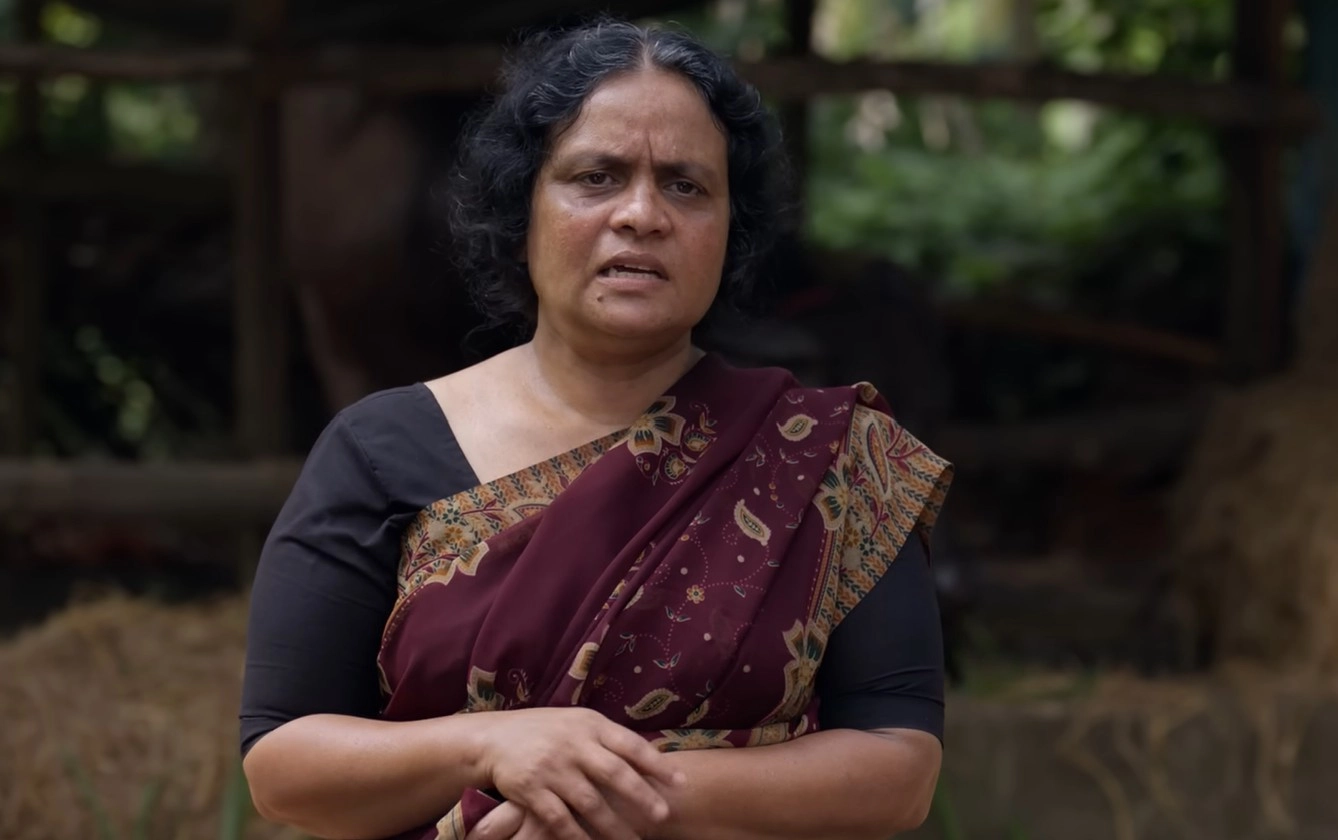
Manu’s obsession went so far that even after death, he refused to move on. He researched ways to remain on Earth, and after his death, Elsamma preserved his body, keeping it on his bed with the anklets that anchored his spirit. Eventually, when Rohan destroys the anklets and burns the remains, Manu’s spirit is forced to leave the mortal world.
The Return of Kani?
The cliffhanger unfolds when Rohan is about to leave for the US to reunite with his family. He hears a strange noise in his bedroom and notices Kani’s hairpin back on the table. Perplexed, he sees an indentation on his bed, as if someone is sitting there. When he throws a bedsheet over the spot, a figure takes shape beneath it. Trembling, Rohan slowly pulls the sheet away and freezes in shock at what he sees, gasping, “What th—?”
Though we never see the figure’s face, a woman’s voice softly calls Rohan’s name. It’s fair to assume that this time it’s Kani’s spirit, given her hairpin’s presence. Her return shouldn’t be surprising - the film hints at it earlier.
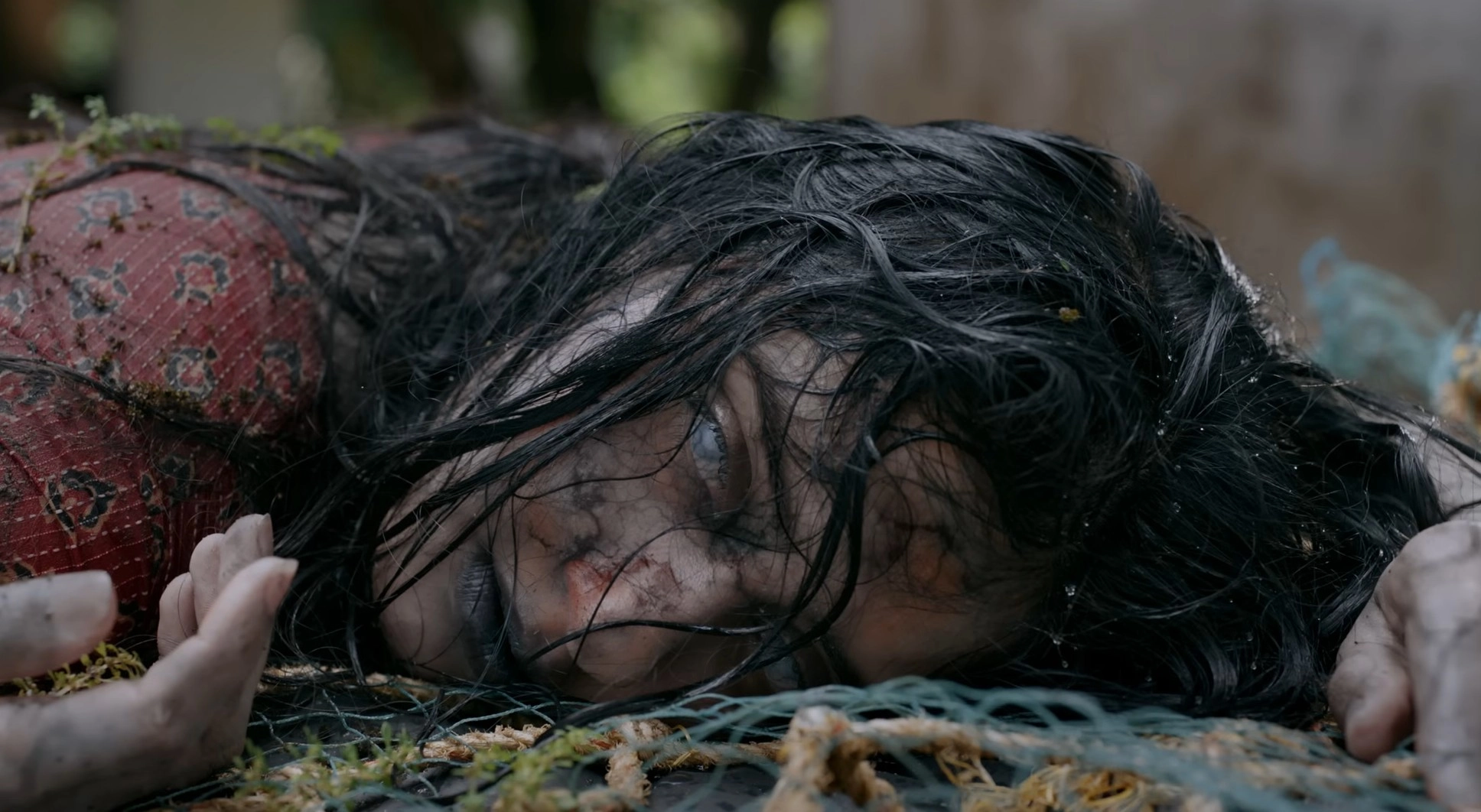
When Rohan was first haunted, he felt someone gently caressing his hair, exactly the way Kani used to when they were together. If Manu was the spirit, that gesture wouldn’t make sense. It’s possible Kani’s spirit had already followed Rohan after he visited her room and took her hairpin. When she followed him back home, Manu’s spirit - still obsessively attached to her - may have followed in turn, becoming the more violent presence tormenting Rohan. As for why the ghost attacked Kani’s brother, it’s left ambiguous. One possible explanation is that Manu’s spirit was trying to frighten Kani’s spirit into staying away from Rohan - but that’s purely speculation from my end.
The Theme of Attachment
Kani’s lingering spirit ties into the central theme of the film - attachment, both healthy and destructive. Rohan himself is a contradiction to that idea. When we first meet him, he’s emotionally detached from everything — partying with acquaintances he barely knows, maintaining casual flings, and showing little connection to his family, including his pregnant sister. He’s so indifferent that when a friend tells him about Kani’s suicide, he casually asks, "Who’s Kani?" despite having briefly dated her.
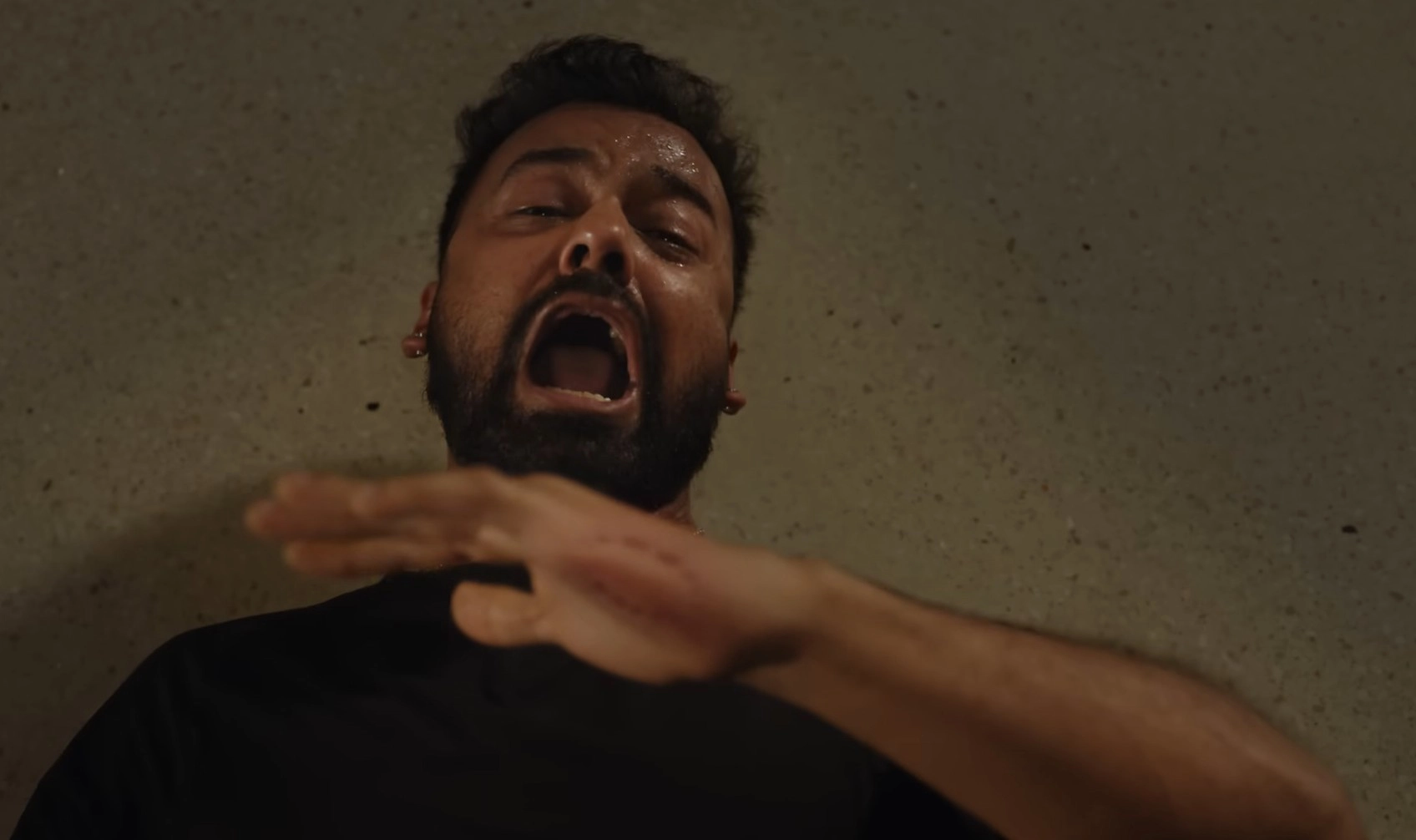
His breakup with Kani stemmed from his refusal to form emotional attachments, while she sought something more meaningful. He even admits that he had to 'ghost' her to push her away - an irony that she returns as an actual ghost, still emotionally bound to him.
Manu’s obsession with Kani mirrors this theme from a darker angle. His infatuation, rooted in voyeurism and possession, represents attachment that festers into obsession. His rage towards Rohan seems born of jealousy - a ghostly echo of his one-sided love. Whether Manu’s spirit had any role in Kani’s death or if she took her own life out of heartbreak remains ambiguous.
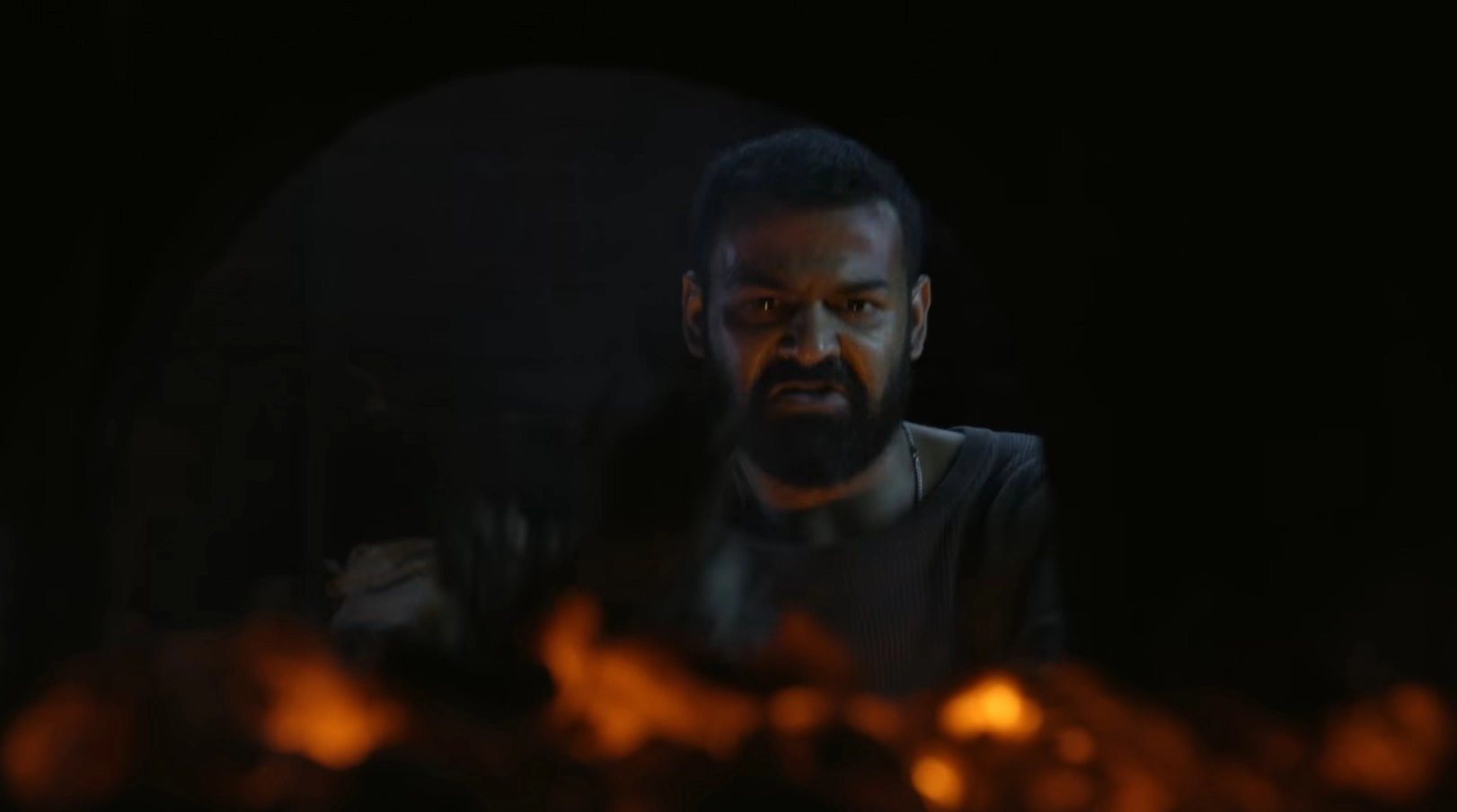
The theme also extends to maternal bonds. We see Madhusudan’s gentle devotion to his mother, worrying about her safety when he was terrorised by Manu. In contrast, Elsamma’s attachment to her dead son is far more disturbing - she keeps his decaying body and obeys his wishes to keep his spirit tethered to Earth, even attempting murder to protect that secret.
In the end, when Elsamma’s house burns down, Rohan - who has by then rediscovered emotional empathy (hinted at through his phone call to his own mother) - rescues her from the flames. It’s a poignant moment, showing a man who began as emotionally distant finally understanding the value, and burden, of human connection.
The Horror Cinematic Universe
In two clever nods to his earlier films that cemented him as a filmmaker to watch, Rahul Sadasivan connects Diés Iraé to both Bhoothakaalam and Bramayugam - the former in a more direct way, and the latter as a subtle, playful wink to fans of his work.
Let’s start with Bhoothakaalam.
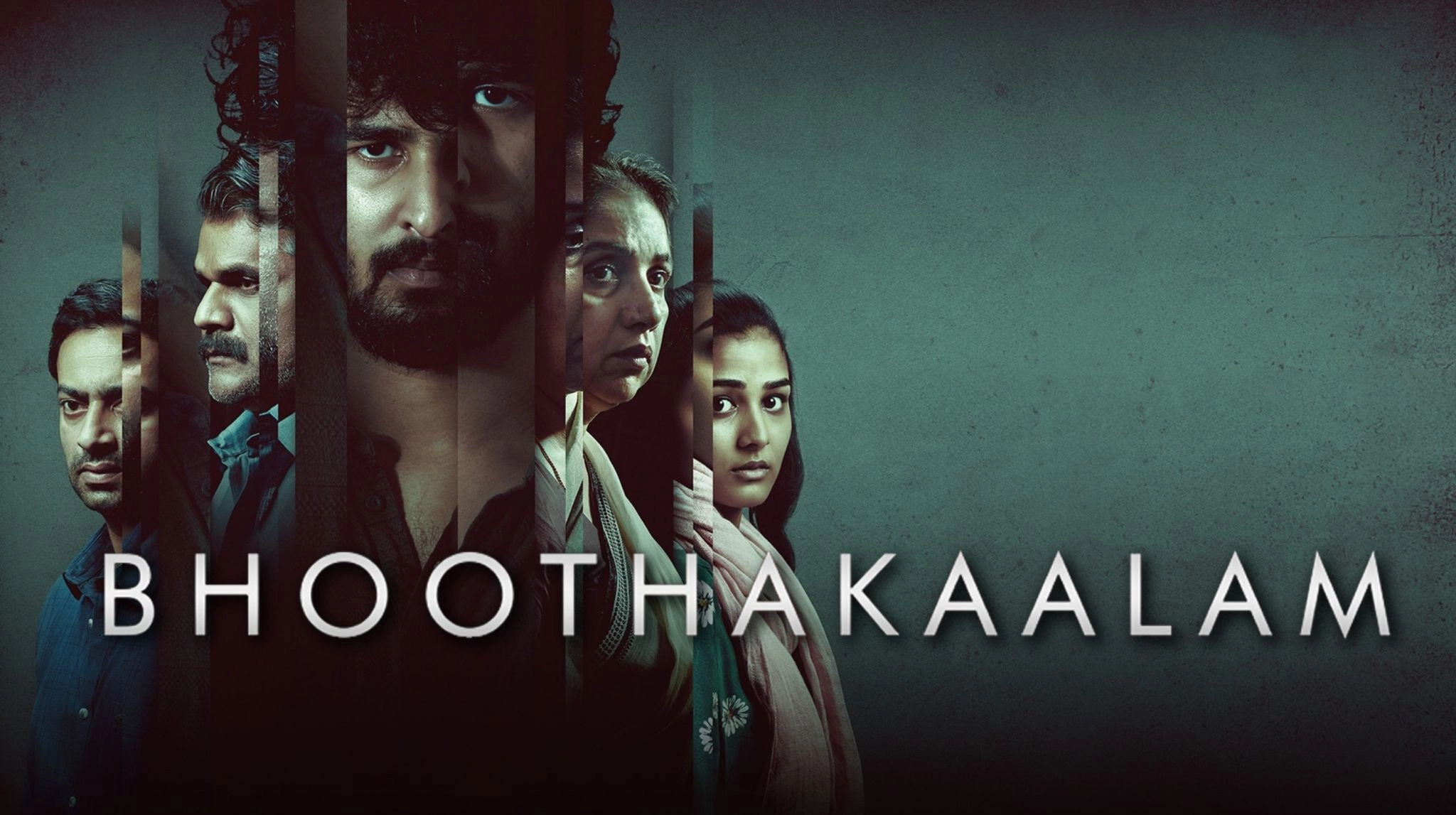
In the epilogue, there’s a cameo by Saiju Kurup, who visits Madhusudan at his construction site. His character mentions having heard of Madhusudan’s father’s reputation for dealing with supernatural matters and learns that Madhusudan has inherited the same gift. Now more confident after the exorcism involving Manu, Madhusudan agrees to help him. Kurup’s character, who introduces himself as George, describes a haunted house that once tormented a mother and son - and asks Madhusudan to investigate. Bhoothakaalam Ending Explained: Decoding the Dark Climax of Shane Nigam and Revathy’s Film on SonyLIV.
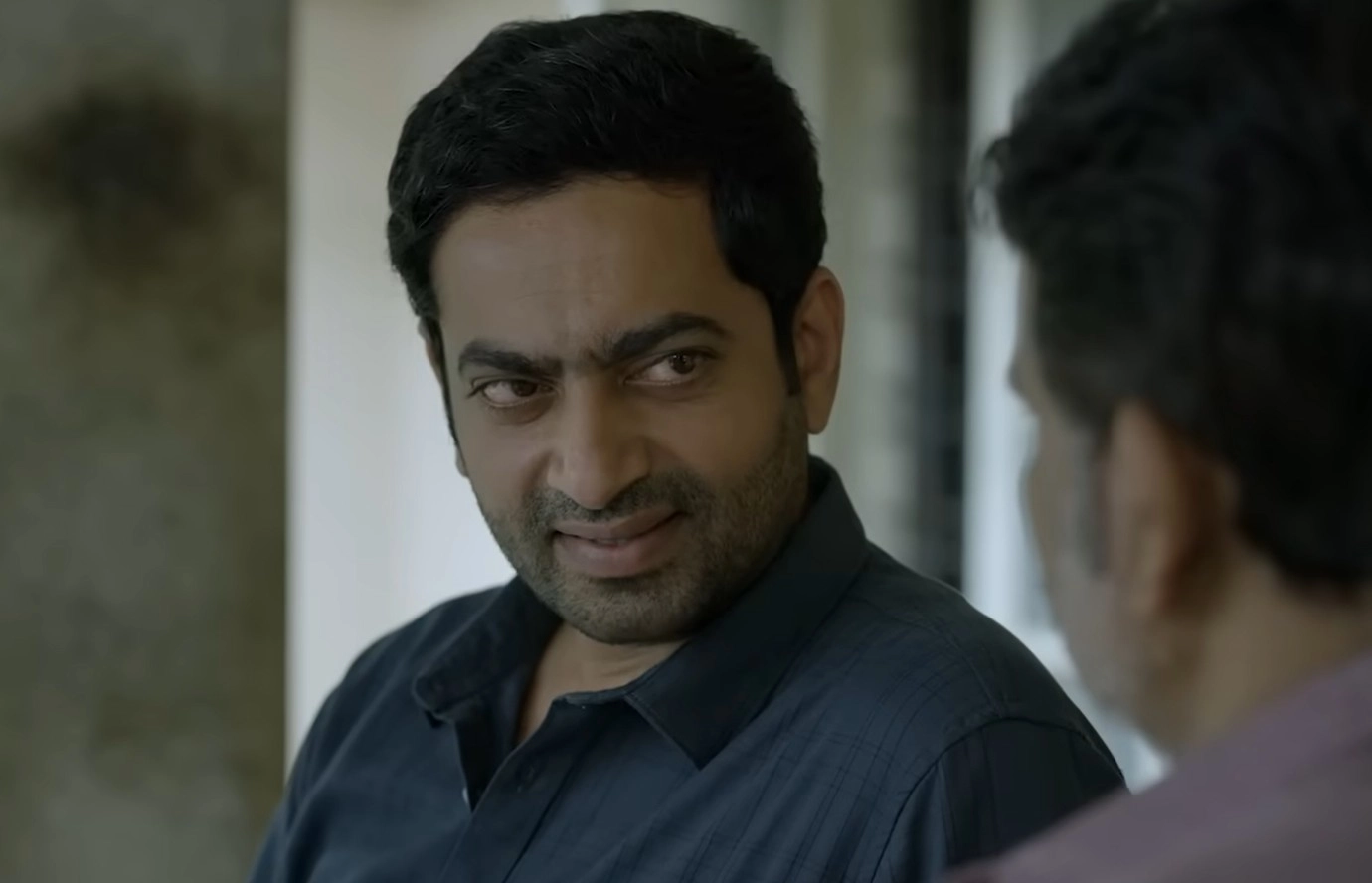
If you’ve seen Bhoothakaalam, you’ll immediately recognise what he’s referring to: the haunting from the film’s finale, involving the mother and son played by Revathy and Shane Nigam. Saiju Kurup was part of that film too, portraying the same character - a counsellor trying to help Shane’s troubled protagonist.
Now, onto the Bramayugam connection.
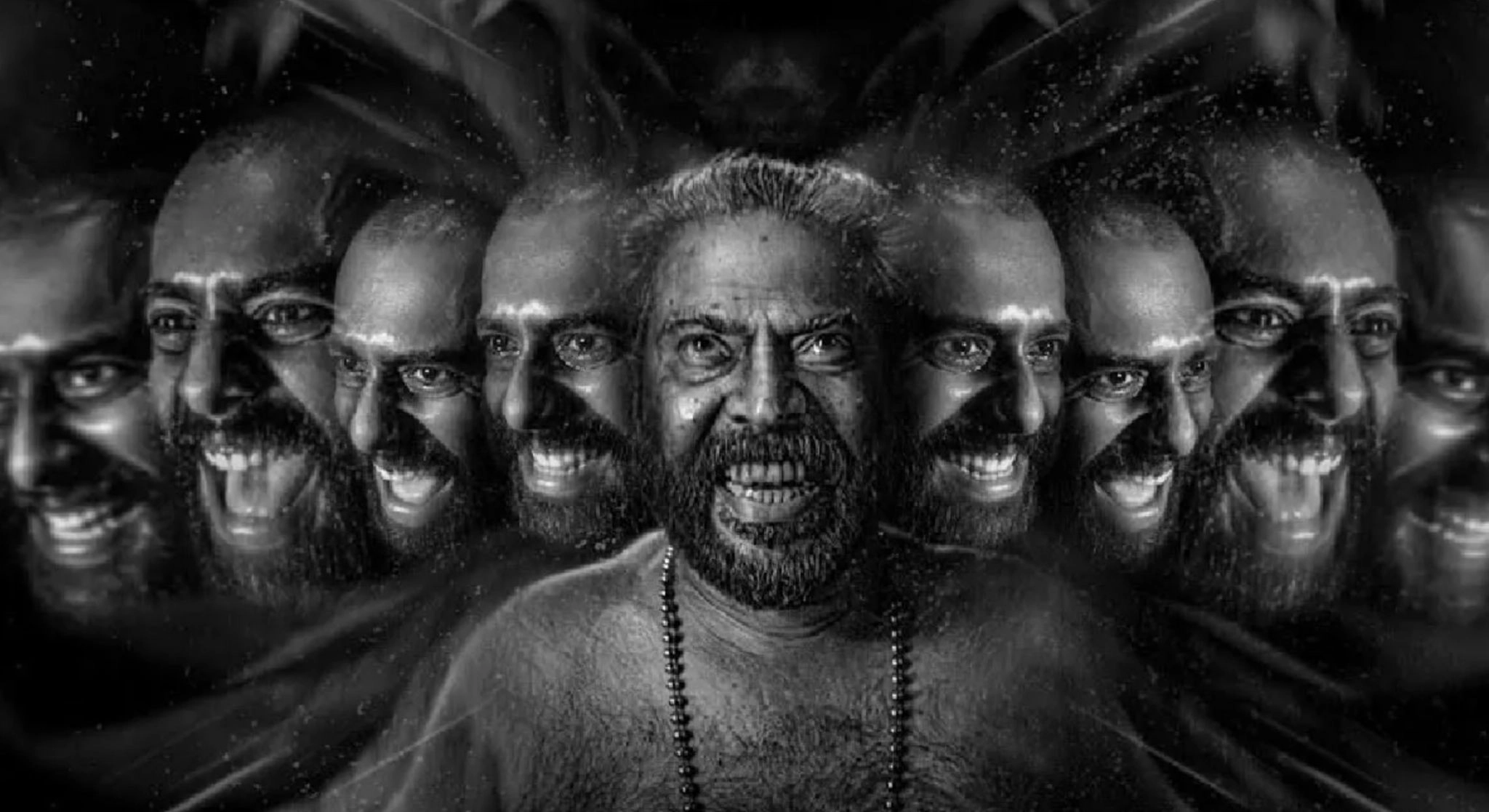
In the same scene, Madhusudan’s full name is revealed to be Madhusudan Potty. That surname should immediately ring a bell for those who’ve watched Bramayugam. Before being overtaken by the entity Chathan, Mammootty’s character in that film was Kodumon Potty, a revered exorcist and practitioner of mystical arts. The reveal implies that Madhusudan’s father - and possibly his entire lineage - belongs to the same bloodline as Kodumon Potty, continuing the legacy of men attuned to the supernatural. Bramayugam Movie Review: Mammootty Terrifies With Sinister Brilliance in Rahul Sadasivan's Spellbinding Horror-Fantasy.
This link is also subtly teased earlier in Diés Iraé, when Madhusudan enters his home and the camera lingers on framed black-and-white photographs of his father.
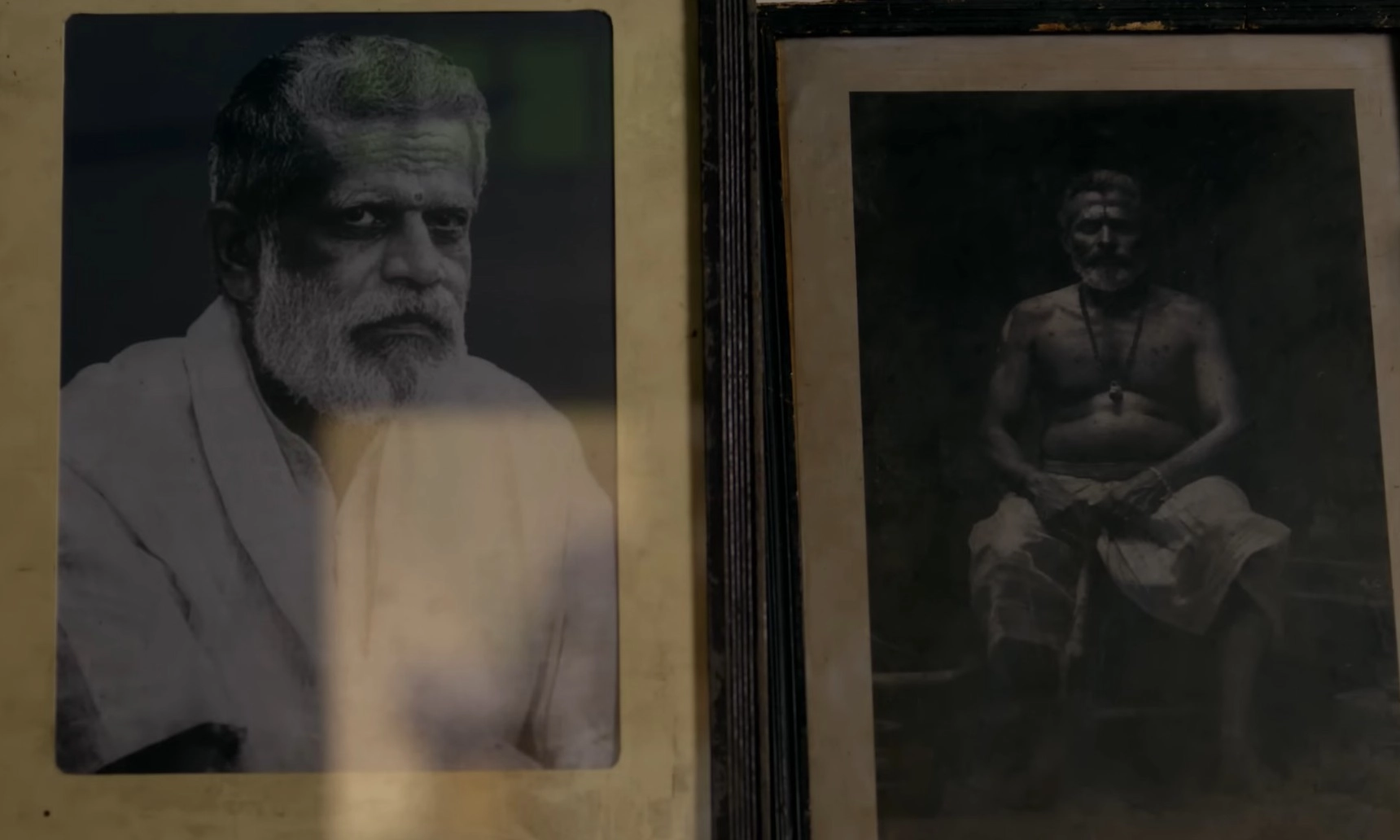
The man in the picture bears a slight resemblance to Kodumon Potty, and the monochrome imagery itself feels like a deliberate homage to Bramayugam, which was shot entirely in black and white.
Together, these details weave Rahul Sadasivan’s films into a shared horror universe - one connected not just by supernatural themes, but by a haunting lineage that spans generations.
(The opinions expressed in the above article are of the author and do not reflect the stand or position of LatestLY.)
(The above story first appeared on LatestLY on Nov 01, 2025 09:01 AM IST. For more news and updates on politics, world, sports, entertainment and lifestyle, log on to our website latestly.com).