What Are the New AC Temperature Rules and Why Is the Government Introducing Them? Here’s Everything You Need To Know
In a move to boost energy efficiency, the Indian government plans to standardize AC temperature settings between 20°C and 28°C. Here’s why the rule is being introduced and its implications.

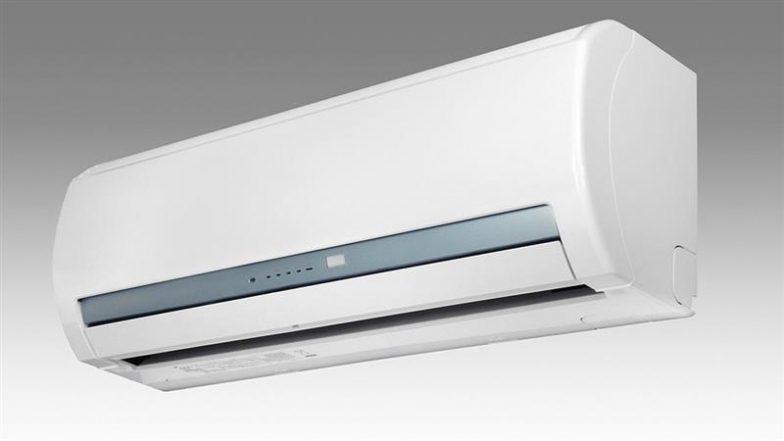
Mumbai, June 11: The Indian government has announced a significant reform regarding the use of air conditioners in an effort to control energy consumption and encourage efficiency. According to Union Minister Manohar Lal Khattar, a new provision will soon require all air conditioning systems in India to operate only within a standardised temperature range of 20°C to 28°C.
According to Khattar, who called the action a “first-of-its-kind experiment,” the goal is to lessen the excessive electricity consumption frequently brought on by running air conditioners at extremely low temperatures. The temperature range that will be standardised for air conditioners is 20°C to 28°C. This implies that we won't be able to heat above 28°C or cool below 20°C," he said. New AC Temperature Rules: Centre to Standardise Temperature for ACs Between 20°C-28°C, Says Union Minister Manohar Lal Khattar (Watch Video).
What Are New AC Temperature Rules?
The majority of air conditioners on the Indian market today have heating modes that reach up to 30°C and a temperature setting as low as 16°C or 18°C. The new rule will restrict this range, prohibiting users from going below 20°C or above 28°C, whether in residences, workplaces, or public spaces. India Weather Forecast Today, June 11: IMD Predicts Widespread Thunderstorms With Heavy Rainfall, Issues Orange Alert for Several Districts Across Multiple States for Next 2-3 Hours.
To comply with this regulation, manufacturers will have to update or reprogram the software in their products. This could entail making software adjustments for smart air conditioners that are already in use or making physical changes to new units.
Why Is the Government Implementing This?
The decision was made amid increasing worries about India's skyrocketing electricity consumption, which is being made worse by increasingly frequent and severe heat waves. Lower AC temperature settings, according to experts, dramatically increase energy consumption and strain the nation's electrical infrastructure.
By implementing this standardised temperature band, the government hopes to reduce the nation's carbon footprint, stop inefficient cooling practices, and encourage sustainable electricity use in both residential and commercial settings.
The Centre has indicated that compliance will be tracked, even though enforcement details are still being worked out. The action is in line with India's larger climate objectives and is viewed as a step towards responsible energy behaviour.
(The above story first appeared on LatestLY on Jun 11, 2025 01:05 PM IST. For more news and updates on politics, world, sports, entertainment and lifestyle, log on to our website latestly.com).