What Is Pneumonic Plague? From Symptoms to Treatment, Everything You Need To Know About the Bacterial Lung Infection That Claimed a Life in US
Pneumonic plague is a severe lung infection caused by the bacterium "Yersinia pestis" and is considered the most dangerous and contagious form of plague. Given the recent case in Arizona, it’s important to understand the causes, symptoms, and prevention of pneumonic plague. Let’s know all about Pneumonic Plague.

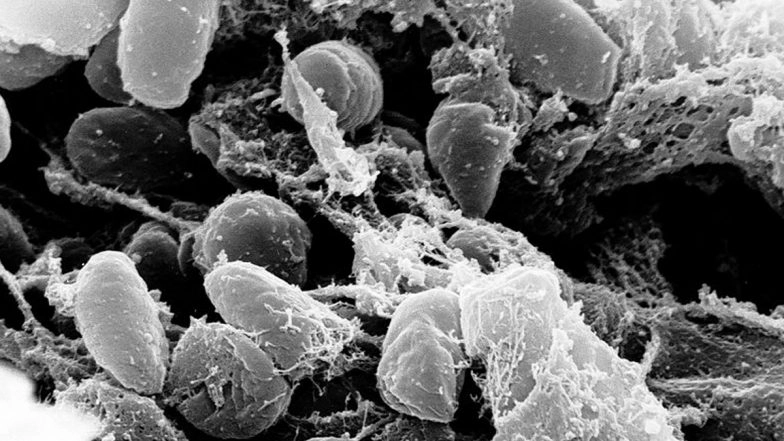
Arizona, July 13: A case of pneumonic plague has been detected in the US after a resident of Coconino County, Arizona, tragically died from the infection. This marks the first recorded death from the disease in the county since 2007. Pneumonic plague, caused by the bacterium Yersinia pestis, is a rare but serious lung infection that can spread rapidly if untreated. Health officials have assured the public that the risk of exposure remains low, but emphasise the importance of awareness and early detection. The incident has renewed attention on this ancient but still dangerous disease.
Plague, often remembered as the "Black Death" that devastated Europe in the 14th century, comes in different forms, with pneumonic plague being the deadliest and most contagious. Unlike the more common bubonic plague transmitted by fleas, pneumonic plague spreads through respiratory droplets from infected individuals. Symptoms develop quickly and can lead to severe pneumonia and respiratory failure. Given the recent case in Arizona, it’s important to understand the causes, symptoms, and prevention of pneumonic plague. Let’s know all about Pneumonic Plague. New Pandemic Fears: Oxford Scientists Who Developed COVID-19 Vaccine Working on Bubonic Plague Vaccine As Military Experts Warn of Potential Black Death Outbreak, Says Report.
What is Pneumonic Plague?
Pneumonic plague is a severe lung infection caused by the bacterium "Yersinia pestis" and is considered the most dangerous and contagious form of plague. According to a Cleveland Clinic report, it occurs when the bacteria enter the lungs either through inhalation of respiratory droplets from an infected person or as a secondary infection from untreated bubonic or septicemic plague. Unlike other forms, pneumonic plague can spread directly from person to person through coughing or sneezing, much like the common cold. It causes rapid-onset pneumonia with symptoms like chest pain, coughing, and bloody mucus, and if not treated promptly with antibiotics, it is almost always fatal. Pandemic Preparedness: First Pandemic Treaty Adopted.
Symptoms:
Pneumonic plague symptoms typically appear within 1 to 4 days of exposure and progress rapidly. Common signs include high fever, chills, severe headaches, weakness, and body aches. As the infection worsens, patients may experience chest pain, difficulty breathing, coughing, and the production of bloody or watery mucus. In advanced cases, respiratory failure can occur quickly without treatment.
Prevention:
Preventive measures include avoiding contact with sick or dead animals, using insect repellents with DEET to ward off flea bites, keeping pets on flea prevention, and avoiding close contact with symptomatic individuals.
Treatment:
According to the Cleveland Clinic, pneumonic plague requires immediate medical attention and is treated with antibiotics, either orally or intravenously. Early administration is critical, ideally within 24 hours of symptom onset, to prevent severe complications or death. In high-risk exposures, preventive antibiotics may also be recommended even before symptoms appear.
Though extremely rare today, pneumonic plague remains a serious public health threat if not diagnosed and treated promptly. Awareness of symptoms and swift medical intervention are key to survival. With timely antibiotics, recovery is possible and fatal outcomes can be prevented.
(The above story first appeared on LatestLY on Jul 13, 2025 03:13 PM IST. For more news and updates on politics, world, sports, entertainment and lifestyle, log on to our website latestly.com).