West Bengal SIR Draft Voter List To Be Released Today: How To Check Your Name and What To Do if You Can’t Find It
Special Intensive Revision is a focused, time-bound update of electoral rolls to add new eligible voters and remove names of ineligible or deceased electors. West Bengal SIR 2026 draft voter list is to be out today, December 16. Know how to check your name online or with BLOs, what to do if it’s missing, and which documents you need.

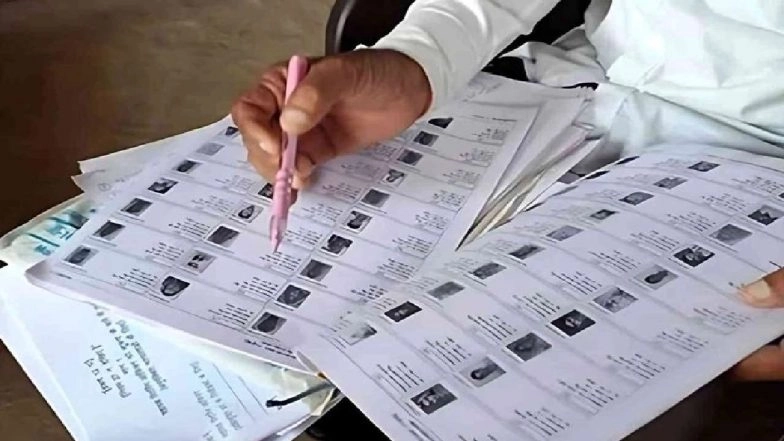
Kolkata, December 16: The Election Commission of India (ECI) will release the draft electoral rolls for West Bengal on Tuesday, December 16, as part of the Special Intensive Revision (SIR) 2026 exercise. The draft rolls, which include names proposed for deletion, will be available both online and offline for public verification. The SIR process in West Bengal began on November 4 and is part of a nationwide drive to update and clean voter lists ahead of upcoming elections. Booth Level Officers (BLOs) have been visiting households with updated rolls to verify details, while political parties have questioned aspects of the exercise, alleging possible political motives behind some deletions.
What is the Special Intensive Revision? Special Intensive Revision is a focused, time-bound update of electoral rolls to add new eligible voters and remove names of ineligible or deceased electors. During SIR, the ECI treats earlier base rolls as reference documents and conducts house-to-house verification to correct errors, remove duplicates and update addresses.
The ECI describes this as essential to maintaining accurate rolls and protecting the integrity of elections, while critics have flagged concerns that the burden of proving citizenship and eligibility has shifted heavily onto ordinary voters. In West Bengal, the draft rolls now reflect these revisions, with voters given a limited window to file claims and objections. ‘Who Would Accept the Responsibility’: Mamata Banerjee Hits Out at BJP Over Rising Incidents of Suicide From Fear of SIR-NRC in West Bengal.
How to Check Your Name Online in SIR Draft Voter List
Voters in West Bengal can check whether their names are on the draft voter list through official online portals. Electors can visit the ECI’s website at eci.gov.in or the Chief Electoral Officer (CEO) West Bengal site at ceowestbengal.gov.in to access the draft rolls.
On these portals, users can search either by entering their name and constituency details or by using their Elector’s Photo Identity Card (EPIC) number, after which their voter information will be displayed if it is in the database. The voters.eci.gov.in portal and EC’s linked mobile apps also provide access to the same data under the SIR 2026 programme.
Offline Options if Websites Are Unavailable
If the websites are slow, inaccessible or voters lack internet access, physical copies of the draft electoral rolls are available at the booth level. Each polling station has a Booth Level Officer who keeps a copy of the updated draft rolls for that part, which residents can inspect. SIR in West Bengal: Election Commission Identifies 58 Lakh Excludable Voters From Current Voters’ List After Enumeration Phase Ends.
Voters can also seek help from Booth Level Assistants (BLAs) appointed by political parties, who often maintain copies of the rolls and assist people in checking their names and preparing applications. District-level election offices and CEO West Bengal’s district sites have also been activated to improve accessibility.
What to Do If Your Name Is Missing
Voters who do not find their names in the draft electoral roll can apply for inclusion by submitting Form 6. In West Bengal, applicants are required to file Form 6 along with Annexure IV, which captures details needed to verify age, address and citizenship under the SIR guidelines.
The form can be submitted offline through the BLO or local electoral office, or online via the voters.eci.gov.in portal and designated EC apps. After submission, electors may be called for a hearing where they must explain why their name was missing and present supporting proof before a decision on inclusion is taken.
Documents Accepted as Proof
The Election Commission has circulated an indicative list of documents that can be used to establish eligibility for inclusion in the electoral roll. These include identity cards or pension documents issued by central or state governments or public sector entities, birth certificates, passports and school or board certificates such as Class X or Madhyamik certificates.
Other accepted documents include residential certificates from state agencies, land or house allotment orders, caste or domicile certificates, and certain documents issued before July 1, 1987, by banks, post offices, LIC or local authorities, particularly for those born before that date. The list is not exhaustive, and Electoral Registration Officers may ask for additional documents if they are not satisfied about a person’s age or citizenship.
What Happens Next
The publication of the draft electoral rolls is a key stage in the SIR 2026 timeline, giving voters in West Bengal a limited period to verify entries and file claims or objections. Once this window closes and officials dispose of all applications and hearings, the ECI will publish the final electoral rolls that will be used for upcoming elections in the state
For voters, this phase is crucial: ensuring their names are correctly listed now will determine whether they can vote when West Bengal next goes to the polls. Regular checks through official portals or BLOs are being encouraged as part of the Commission’s outreach under the SIR programme.
(The above story first appeared on LatestLY on Dec 16, 2025 10:33 AM IST. For more news and updates on politics, world, sports, entertainment and lifestyle, log on to our website latestly.com).