What Is Foot-and-Mouth Virus? All You Need To Know About FMD As It Kills 15 Spotted Deer at Pune Zoo
An outbreak of Foot-and-Mouth Disease (FMD) has recently been confirmed at the Rajiv Gandhi Zoological Park in Katraj, Pune, resulting in the death of 15 spotted deer. Foot-and-Mouth Disease (FMD) is a severe and highly contagious viral illness that affects cloven-hoofed animals such as cattle, pigs, goats, sheep, and deer.

Pune, July 26: An outbreak of Foot-and-Mouth Disease (FMD) has recently been confirmed at the Rajiv Gandhi Zoological Park in Katraj, Pune, resulting in the death of 15 spotted deer. The Pune Municipal Corporation (PMC) revealed that tests conducted by multiple national laboratories confirmed the viral infection as the cause of death. The affected animals showed no prior symptoms, making the sudden loss particularly alarming. Officials believe that the combination of viral infection and monsoon-related stress weakened the animals’ immunity, leading to higher mortality.
The PMC, along with veterinary experts and government institutions, is actively working to identify and isolate infection sources while enhancing biosecurity measures at the zoo, reported TOI. Nets are being installed around deer enclosures, animal inspections are ongoing, and movement is restricted in affected areas. The rapid action has helped reduce further mortality, but the incident has raised questions about the virus itself. So, let's know what Foot-and-Mouth Virus is. What Is Third-Degree AV Block? Know All About Heart Condition as Pet Cat Becomes One of the First in India To Receive a Pacemaker in Pune.
What is Foot-and-Mouth Disease?
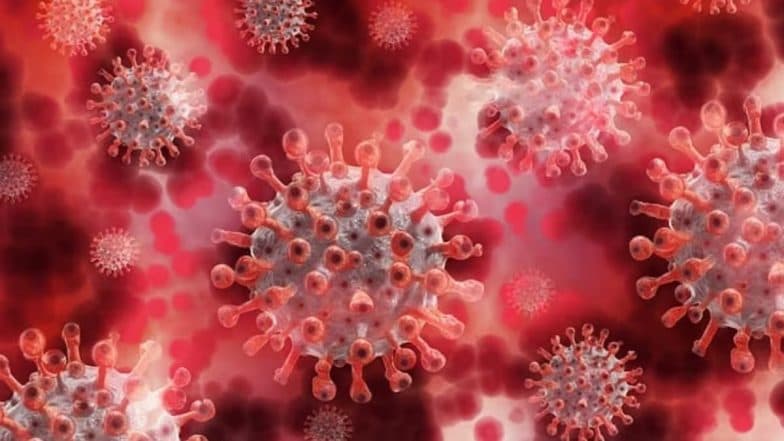
Foot-and-Mouth Disease (FMD) is a severe and highly contagious viral illness that affects cloven-hoofed animals such as cattle, pigs, goats, sheep, and deer. Caused by the Aphthovirus, a member of the Picornaviridae family, FMD spreads rapidly through direct contact with infected animals, contaminated feed, water, tools, or even via air in close quarters. Though it does not affect humans, the disease poses a serious threat to livestock industries.
Causes and Symptoms
FMD is caused by infection with one of several serotypes of the Aphthovirus. The virus targets the epithelial tissues in the mouth, feet, and teats of animals, causing symptoms such as high fever, blisters (vesicles) on the tongue, lips, and between the hooves, excessive salivation, lameness, and a sudden drop in appetite. Young animals are more susceptible to severe complications and higher mortality rates. Although adult animals generally survive, the disease severely impacts their productivity, including reduced milk yield and weight loss.
Prevention
Preventing FMD involves strict biosecurity measures such as controlling animal movement, disinfection of equipment and premises, and vaccination programs where applicable. Regular health monitoring and immediate isolation of infected animals help limit the spread. In Pune’s Rajiv Gandhi Zoological Park, the quick diagnosis and containment measures, including installing protective nets and restricting animal access, have helped control the outbreak after 15 spotted deer succumbed to FMD.
(The above story first appeared on LatestLY on Jul 26, 2025 05:29 PM IST. For more news and updates on politics, world, sports, entertainment and lifestyle, log on to our website latestly.com).