India’s First Genome-Edited Rice ‘Kamala’ Developed by ICAR–IIRR Hyderabad Using CRISPR Technology
India’s first genome-edited rice variety, ‘Kamala’ (DRR Dhan 100), developed by ICAR–IIRR Hyderabad using CRISPR, promises higher yield, drought tolerance, and early maturity without being genetically modified.

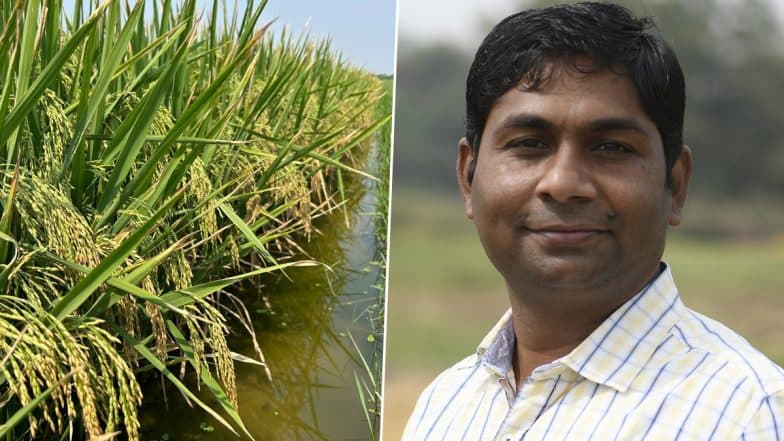
In a major scientific milestone, the ICAR–Indian Institute of Rice Research (IIRR) in Hyderabad has developed India’s first genome-edited rice variety, named DRR Dhan 100 (Kamala). This new rice, based on the popular Samba Mahsuri variety, promises 19% higher yield, early maturity, drought tolerance, stronger stems, and better performance in low-nutrient conditions. The array was developed using CRISPR-Cas technology, which allows precise gene editing without introducing foreign DNA. As lead scientist, Dr. Satendra Kumar Mangrauthia explained, this qualifies Kamala as non-GM under Indian regulations. The development took nearly three years, including two years of multi-location trials. The team now awaits the gazette notification to begin seed distribution. While agricultural experts have hailed the move as a breakthrough, the move has also drawn criticism from the GM-Free India Coalition, which is calling for tighter regulation and withdrawal of such genome-edited crops. Despite opposition, Kamala could mark the beginning of a new era in sustainable and resilient rice farming across India. ‘India’s First Transmedia Entertainment City To Be Launched in Amaravati, Create Jobs, Attract FDI’: Andhra Pradesh CM Chandrababu Naidu.
‘Kamala’, India’s First Genome-Edited Rice Developed by ICAR–IIRR Hyderabad
India’s 1st genome-edited rice developed in Hyderabad
In a landmark moment for Indian agricultural science, ICAR–Indian Institute of Rice Research (IIRR) at Rajendranagar developed the country’s first genome-edited rice variety, DRR Dhan 100 (Kamala).
Here are the key points… pic.twitter.com/DohGZeyZ31
— Sudhakar Udumula (@sudhakarudumula) May 6, 2025
(SocialLY brings you all the latest breaking news, fact checks and information from social media world, including Twitter (X), Instagram and Youtube. The above post contains publicly available embedded media, directly from the user's social media account and the views appearing in the social media post do not reflect the opinions of LatestLY.)
(The above story first appeared on LatestLY on May 06, 2025 01:27 PM IST. For more news and updates on politics, world, sports, entertainment and lifestyle, log on to our website latestly.com).