Superior Pool Cleaners vs. Heavy Debris: Why They Prevail
Picture this: A maintenance crew arrives at a luxury resort pool after a severe storm, only to find their standard vacuum cleaner for pool choking on a devastating mix of fallen palm fronds, acorns, and storm debris.

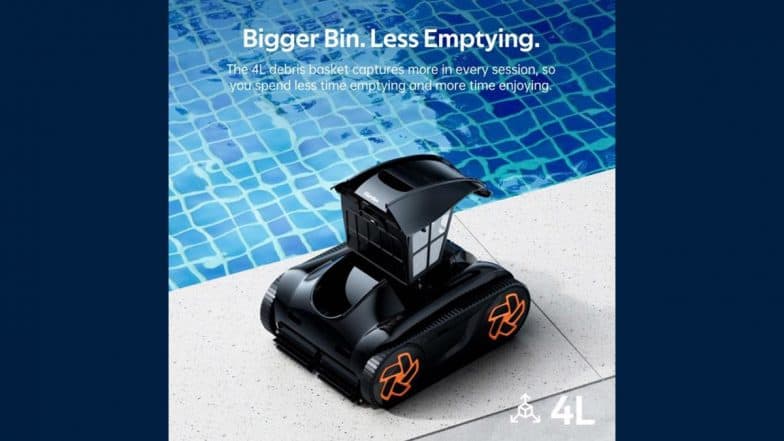
Picture this: A maintenance crew arrives at a luxury resort pool after a severe storm, only to find their standard vacuum cleaner for pool choking on a devastating mix of fallen palm fronds, acorns, and storm debris. This all-too-common scenario highlights a critical challenge in pool maintenance – the limitations of conventional cleaning equipment when facing heavy organic matter. While basic cleaners may suffice for routine maintenance, superior pool cleaners are specifically engineered to tackle these extreme challenges head-on. Through innovative design principles, advanced automation systems, and comprehensive warranty support, these professional-grade solutions transform what was once a maintenance nightmare into a manageable task. Let's dive deep into how these advanced systems consistently outperform their conventional counterparts, providing peace of mind for maintenance professionals and pool owners alike.
The Heavy Debris Crisis: Why Ordinary Pool Cleaners Fail
When confronted with substantial organic waste, conventional pool cleaners reveal their critical limitations in ways that can severely impact both maintenance efficiency and operational costs. Common scenarios include dense accumulations of acorns and pine needles that overwhelm standard filtration systems, post-storm situations with mud and leaf masses that exceed typical debris handling capacities, and seasonal challenges like heavy pollen deposits that form thick sediment layers. These materials frequently cause standard cleaners to malfunction through multiple failure points. The intake ports, designed for routine dust and small debris, become hopelessly clogged when attempting to process larger organic matter. This restriction creates excessive strain on motors, leading to premature burnout and costly repairs. The financial implications extend beyond immediate repair costs – maintenance teams face extended pool closure times, emergency service calls, and the potential loss of valuable maintenance contracts due to subpar cleaning performance. Moreover, the repeated strain of attempting to process heavy debris often results in permanent damage to internal components, creating a cycle of increasingly frequent repairs that ultimately necessitates complete unit replacement well before the expected service life.
Engineering Triumphs: Core Design Advantages for Heavy Debris Removal
Turbocharged Filtration Systems
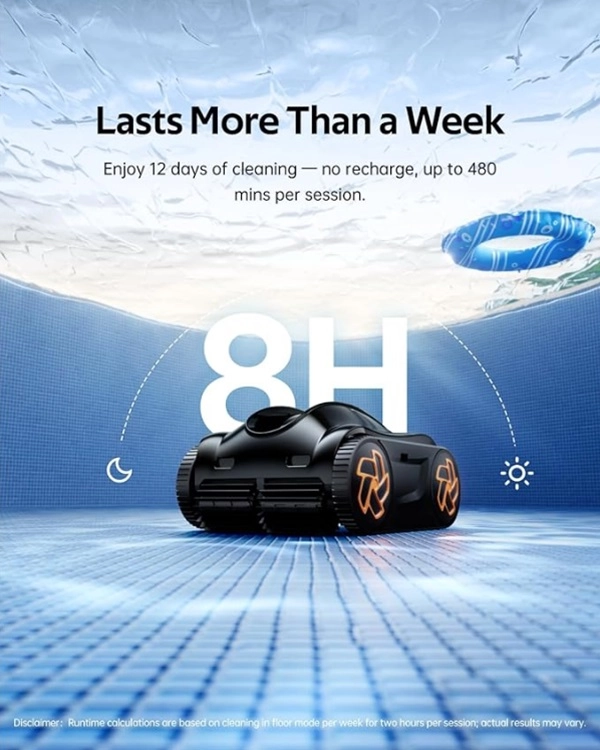
At the heart of superior pool cleaners lies revolutionary filtration technology that transforms debris management. These systems feature oversized intake valves up to 60% larger than standard models, allowing passage of substantial organic matter without clogging. Advanced anti-jam mechanisms employ spiral flow patterns that prevent material from binding, while dual-stage filtration separates heavy debris before it reaches critical components. High-torque impellers, operating at variable speeds up to 3,000 RPM, create powerful vortex actions that efficiently process dense materials like waterlogged leaves and mud. Leading models like the iGarden Pro Series demonstrate this advanced engineering with their proprietary cyclonic filtration system.
Reinforced Physical Architecture
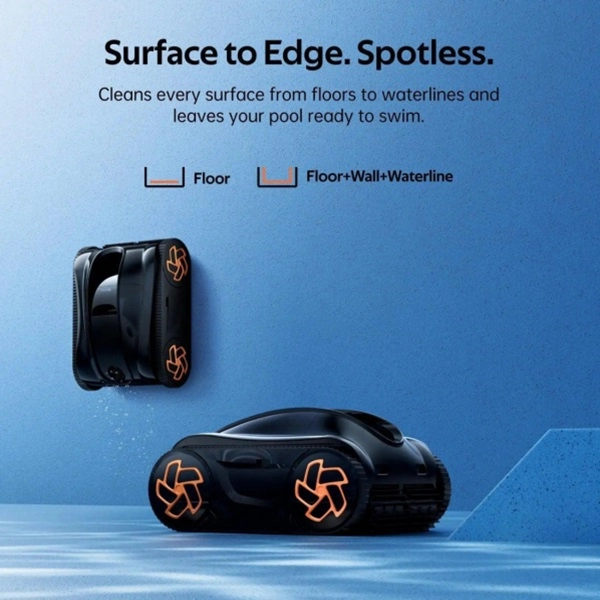
The structural integrity of premium cleaners stems from military-grade materials engineering. Key contact points utilize carbon-fiber reinforced polymers that resist abrasion from rough debris while maintaining optimal flexibility. Critical components feature titanium-alloy construction, providing exceptional durability against impact from heavy objects like fallen branches. The weighted traction system incorporates tungsten-carbide treads, ensuring stable ground contact even when processing substantial debris loads.
Hydraulic Power Innovations
Advanced hydraulic systems represent the cutting edge of debris removal capability. Variable suction control technology automatically adjusts power output based on debris density, preventing motor strain while maintaining optimal cleaning efficiency. Self-adjusting water flow dynamics redirect power where needed most, creating targeted cleaning zones that methodically process heavy accumulations. This sophisticated hydraulic management enables continuous operation even under extreme debris conditions, while reducing energy consumption by up to 40% compared to fixed-power systems.
Automated Dominance: How Automatic Pool Cleaners Maximize Efficiency
Modern superior pool cleaners leverage sophisticated artificial intelligence to revolutionize debris management efficiency. Advanced mapping algorithms create detailed three-dimensional models of pool surfaces, enabling precise navigation around obstacles and optimal cleaning patterns. These systems continuously analyze pool conditions, adjusting their routes to focus on high-debris areas while maintaining comprehensive coverage. The AI-driven operation enables round-the-clock cleaning cycles, preventing debris accumulation that could overwhelm standard systems. This continuous operation proves particularly valuable during heavy leaf seasons or after storms, when debris influx is constant. For maintenance crews, these automated systems translate to significant labor savings – reducing manual cleaning hours by up to 70% compared to traditional methods. The intelligent routing also minimizes energy consumption by optimizing travel patterns and adjusting power usage based on debris density. Perhaps most importantly, these systems can operate independently during off-hours, ensuring pools remain pristine without requiring staff presence. This autonomous capability allows maintenance teams to reallocate their time to other critical tasks while maintaining consistent cleaning quality, effectively transforming pool maintenance from a labor-intensive daily challenge into a monitored automated process.
Zero-Downtime Assurance: Replacement Policy Essentials
Superior pool cleaners distinguish themselves through comprehensive replacement policies that virtually eliminate operational interruptions. These policies typically feature same-day component exchange programs for critical parts like filtration assemblies and drive motors. When issues arise, certified technicians can quickly swap affected modules without removing the entire unit from service. This modular approach proves particularly valuable for commercial operators managing multiple properties. For instance, a Florida resort chain reduced their average downtime from 72 hours to just 4 hours by leveraging rapid-exchange coverage for their cleaner fleet. The most robust policies include provisions for temporary replacement units during extended repairs, ensuring continuous pool maintenance. Commercial operators benefit from specialized contractual provisions that guarantee response times within specific windows – typically four to six hours for emergency situations. These agreements often include performance clauses that trigger automatic replacements if units fail to meet specified debris removal benchmarks. Additionally, maintenance contracts frequently incorporate preventive component replacement schedules, addressing potential failure points before they impact operations. This proactive approach, combined with detailed documentation requirements, helps facility managers maintain consistent service levels while protecting their operational investments.
24/7 Assistance: Your Round-the-Clock Operational Lifeline
Modern superior pool cleaners come backed by comprehensive support systems that ensure operational continuity regardless of when issues arise. Emergency troubleshooting services operate through dedicated mobile applications, providing instant access to expert guidance during critical situations like post-storm cleanups or pre-event preparations. These apps feature video diagnostic capabilities, allowing technicians to remotely assess problems and guide on-site staff through immediate solutions. The support infrastructure includes a nationwide network of certified technicians strategically positioned to respond within two hours in metropolitan areas. During peak seasons, dedicated hotlines prioritize commercial accounts, ensuring minimal disruption to business operations. Advanced cleaners also incorporate IoT sensors that continuously monitor performance metrics, automatically alerting support teams before minor issues escalate into system failures. This proactive approach has proven particularly valuable during overnight operations, when manual supervision is minimal but debris accumulation can be significant. The combination of remote diagnostics, rapid response protocols, and predictive maintenance capabilities transforms traditional reactive maintenance into a streamlined, anticipatory service model that maximizes operational uptime.
Selecting Your Heavy-Duty Champion: Professional Buying Guide
Choosing the right heavy-duty pool cleaner requires careful evaluation of specific operational requirements and support infrastructure. Begin by calculating your pool's debris load factor - multiply the surface area by the average weekly debris accumulation rate. For pools under heavy tree coverage, factor in seasonal variations that can triple normal debris volumes. Match this calculation to cleaner specifications, ensuring the unit can process at least 150% of your maximum expected load. Beyond raw capacity, examine the filtration system's mesh size gradient. Superior models offer multi-stage filtration starting at 400 microns for large debris, scaling down to 50 microns for fine particles. When evaluating warranties, focus on three critical aspects: parts coverage duration, labor inclusion terms, and response time guarantees. Leading manufacturers should provide same-day service commitments for commercial accounts and 48-hour maximum response times for residential customers. Verify the availability of local certified technicians within a 50-mile radius of your location. Compare parts inventories among local distributors, ensuring critical components maintain 90% or better availability rates. Consider the manufacturer's track record of continued parts support for older models - industry leaders typically guarantee parts availability for at least seven years post-model discontinuation. This comprehensive evaluation process helps ensure your investment delivers reliable long-term performance under challenging debris conditions.
The Future of Professional Pool Maintenance
The evolution of superior pool cleaners represents a decisive shift from traditional maintenance challenges to reliable, automated solutions. Through advanced engineering principles, these systems have effectively conquered the heavy debris crisis that once plagued pool maintenance operations. Their robust construction, powered by military-grade materials and innovative hydraulic systems, ensures consistent performance even under extreme conditions. The integration of AI-driven automation transforms daily maintenance from a labor-intensive burden into a streamlined, efficient process. Perhaps most critically, comprehensive warranty coverage and round-the-clock support infrastructure protect these investments, ensuring minimal operational disruptions. For facility managers and maintenance professionals, the choice is clear: investing in superior pool cleaners delivers measurable returns through reduced labor costs, minimized downtime, and enhanced cleaning effectiveness. When evaluating your next pool maintenance investment, prioritize systems that offer this winning combination of durability, automation, and robust service guarantees – your operational efficiency and bottom line will thank you.
(All articles published here are Syndicated/Partnered/Sponsored feed, LatestLY Staff may not have modified or edited the content body. The views and facts appearing in the articles do not reflect the opinions of LatestLY, also LatestLY does not assume any responsibility or liability for the same.)