What Is Vibrio Vulnificus? Know All About Flesh-Eating Bacteria That Killed 2 in US
At least two people have died in the United States after consuming oysters infected with the deadly flesh-eating bacteria Vibrio vulnificus, health officials confirmed. The deaths were reported after the victims ate oysters harvested in Louisiana, with one case detected in a local restaurant and another in Florida. So, what is Vibrio vulnificus? Know all about the flesh-eating bacteria that have killed tw in the US.

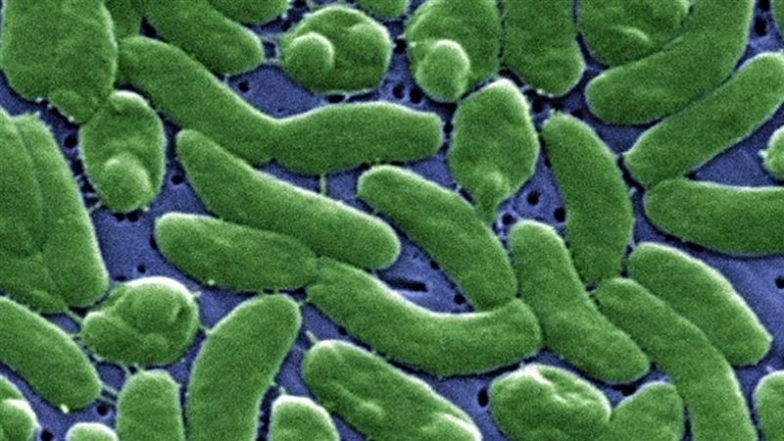
Mumbai, August 31: At least two people have died in the United States after consuming oysters infected with the deadly flesh-eating bacteria Vibrio vulnificus, health officials confirmed. The deaths were reported after the victims ate oysters harvested in Louisiana, with one case detected in a local restaurant and another in Florida. Alongside the fatalities, 14 more infections have been recorded this year, bringing the total to 34 cases in 2025, the highest in over a decade.
The rising number of infections has raised concerns about seafood safety and the risks of consuming raw oysters. Vibrio vulnificus infections often progress rapidly, leading to severe illness, sepsis, and in many cases, death if not treated promptly. The outbreak has drawn national attention, especially since oysters are a popular delicacy along the Gulf Coast and beyond. So, what is Vibrio vulnificus? Know all about the flesh-eating bacteria that have killed tw in the US. Ozempic Vulva – What Is It? The Lesser-Known Side Effect on Women’s Health After Using the Miraculous Weight Loss Drug, Can You Fix It?
What is Vibrio vulnificus?
Vibrio vulnificus is a rare but dangerous bacterium that lives in warm, brackish waters where fresh water meets the sea. It is known as a "flesh-eating" bacterium because it can cause rapidly progressing infections that destroy tissues. While uncommon, it can lead to severe illness and death if not treated promptly. What Is Legionnaires’ Disease? Know All About Severe Lung Infection That Killed 5 in New York.
Causes and Symptoms
Infections are primarily caused by eating raw or undercooked shellfish containing the bacteria or by exposing cuts or wounds to seawater, where the bacteria thrive. Symptoms typically appear within 24 hours, including fever, chills, nausea, vomiting, diarrhoea, and skin redness. Severe infections can lead to painful, fluid-filled blisters, necrotising fasciitis, sepsis, low blood pressure, and organ damage. According to Cleveland Clinic, people with liver disease, diabetes, kidney issues, or weakened immunity are particularly at risk.
Prevention and Treatment
The risk of infection can be reduced by avoiding raw or undercooked shellfish, handling seafood carefully, and protecting open wounds from seawater or shellfish contact. Proper handwashing and separating cooked and raw shellfish help minimise contamination. Early treatment with antibiotics such as doxycycline or ceftazidime is critical, and severe cases may require surgical intervention, wound debridement, or even amputation to prevent the infection from spreading.
While Vibrio vulnificus infections are rare, they can be life-threatening if ignored. Awareness of proper food handling, avoiding raw shellfish, and seeking immediate medical attention at the first signs of infection are essential. With timely care, many infections can be treated successfully.
(The above story first appeared on LatestLY on Aug 31, 2025 01:47 PM IST. For more news and updates on politics, world, sports, entertainment and lifestyle, log on to our website latestly.com).